Ella Hagell
General Manager of The Britannia Steam Ship Insurance Association Europe M.A.

This article was jointly prepared by:



Protection and Indemnity (‘P&I’) insurance has its origins in the development of marine insurance from the late 17th century onwards, particularly in London. The earliest marine insurance, offered by underwriters at Lloyd’s of London and other corporations, covered shipowners and cargo owners for losses to their own property, and was intended to create a profit for the insurers. However, over time shipowners themselves began to form mutual insurance clubs to insure each other for hull damage at cost.
In the 19th century shipowners’ exposure to third-party liabilities such as collision damage, property damage, death and personal injury increased due to English court decisions and statutes. This prompted the mutual clubs that had been established to cover hull damage to be developed to offer cover for these third-party risks.
The first of these clubs was established in 1855, marking the birth of P&I insurance with a few others emerging over the following decades. In 1899, several clubs came together to form the International Group of P&I Clubs, in which the Member Clubs, whilst individually competitive, share between them their large loss exposures. They also share their respective expertise on matters relating to shipowners’ liabilities and provide a collective industry voice for the purposes of engaging with external stakeholders, including intergovernmental maritime organisations, national governments, marine authorities around the world and the shipping and marine insurance/reinsurance sectors.
Collectively, the 12 Group Clubs provide third-party liability insurance for approximately 90% of the world’s oceangoing tonnage, covering every type of vessel.
P&I covers the third-party liabilities that arise from owning or operating a vessel. These liabilities typically include personal injury or loss of life (crew, passengers or third parties), pollution (oil spills, hazardous cargo, etc.), damage to cargo while under the shipowner’s responsibility, wreck removal if a vessel sinks and becomes a hazard to navigation, and collision liabilities not covered under other marine policies.
While underwriting and claims handling are primarily conducted in the London market and in key international insurance and shipping centres including Singapore, Hong Kong, and Greece, the Luxembourg head offices function as a strategic hub for specialised activities that support the Clubs’ global operations. The Clubs’ Luxembourg offices provide deep expertise in the regulatory oversight required for complex cross-border business, as well as compliance capabilities to ensure alignment with evolving European and international standards. These issues can be complex due to the global nature of shipowners’ operations. The Luxembourg offices also coordinate governance operations as part of their head-office activities and for some of the Clubs, are home to the asset management function. Together, these capabilities make Luxembourg a key pillar of P&I Clubs’ operating model.
The overarching principle of P&I Clubs is mutuality. P&I insurance is provided by mutual associations, known as P&I Clubs, rather than commercial insurers. A P&I Club is a mutual, non-profit insurance association providing shipowners and other maritime operators with coverage for third-party liabilities. P&I Clubs are owned by their Members, who pool their resources to self-insure against common risks. When a maritime casualty occurs, the Club uses the pooled funds to cover the losses. In addition to this first layer of mutuality at a Club level, there is a second layer of mutuality at the International Group level whereby the 12 participating Clubs collectively reinsure their risks in excess of USD 10 million up to USD 100 million (then all together to the market through a common reinsurance placement, enabling the Clubs to collectively provide unparalleled levels of cover per incident). With this double layer of mutuality, the majority of shipowners globally share the cost of large casualties, with P&I Clubs specialised in handling complex claims, such as major oil spills or wreck removals. P&I insurance is a truly global business, supporting shipowners in countries in which they trade and operate. P&I Clubs are global organisations with offices around the world to support their shipowners Members. The Clubs’ governance reflects this international component of the business, with Boards of Directors composed of shipping representatives from all over the world.
The shipping industry is undergoing rapid transformation, and P&I insurance is adapting to meet shipowners’ needs. Some of the main changes we are seeing include:
Decarbonisation: The shift to alternative fuels (LNG, LPG, biofuels, methanol, ammonia, hydrogen) introduces new technical and safety risks. Liability implications must be carefully evaluated.
Digitalisation and Cyber Risks: Increased reliance on digital navigation, automation, digital documentation and cargo systems expose ships to cyber threats. P&I cover is evolving to consider these risks alongside traditional liabilities.
Geopolitical Risks: Events such as disruption in the Red Sea, trade wars and sanctions regimes highlight shipping’s exposure to political instability. P&I clubs play a key role in navigating compliance challenges.
Whilst P&I is a modern, dynamic industry addressing the needs of the global shipping industry, its ethos remains rooted in its origins. As one example, mutual P&I policies run from 20 February noon GMT to 20 February noon GMT each year. 20 February was historically the start of the sailing season when the ice had melted in the Baltic Sea and ships could resume trading. While both climate and technology have evolved substantially since the 18th century, this tradition still endures and all Clubs apply the same start date to each policy year to enable the pooling and reinsurance mechanisms to work effectively.

One of the most compelling aspects of the P&I insurance industry is its diversity, both in terms of underwriting/reinsurance, claims handling and support functions. No two cases are ever the same, and this dynamic nature makes the work incredibly interesting and fulfilling.
In underwriting, specialists are faced with a wide array of risk factors, from the type of vessel and cargo to the geographical region and legal environment. Each shipowner’s profile is different, meaning the coverage and pricing will vary significantly depending on the specifics of the risk. This diversity requires a deep understanding of global shipping operations, legal frameworks, and market conditions, making underwriting in P&I a constantly evolving challenge.
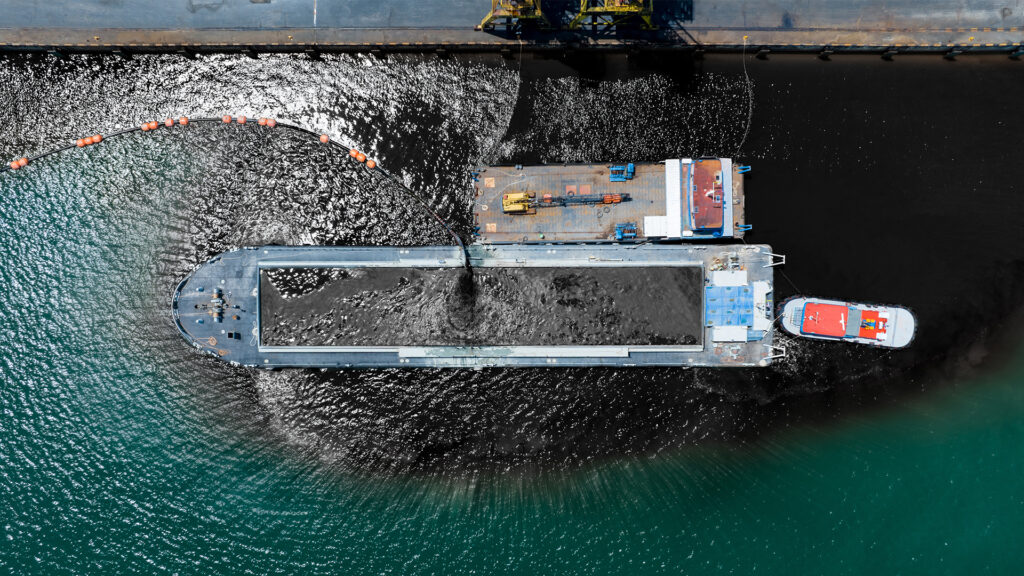
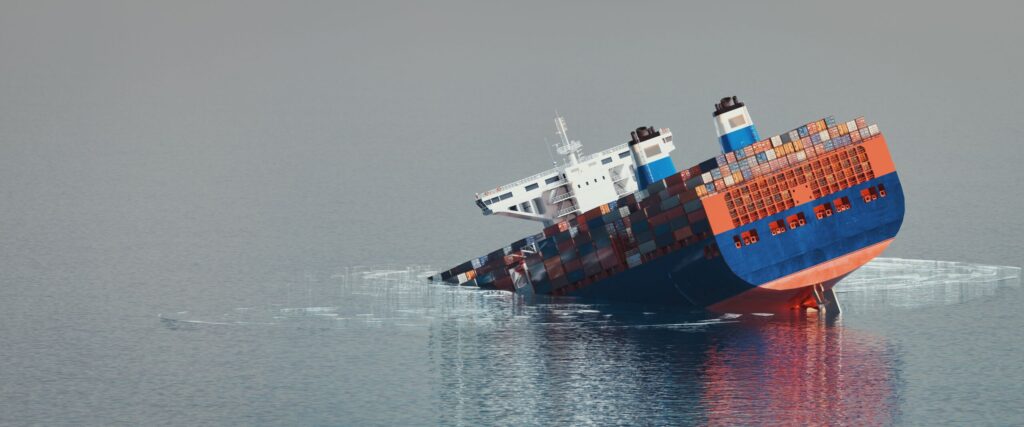
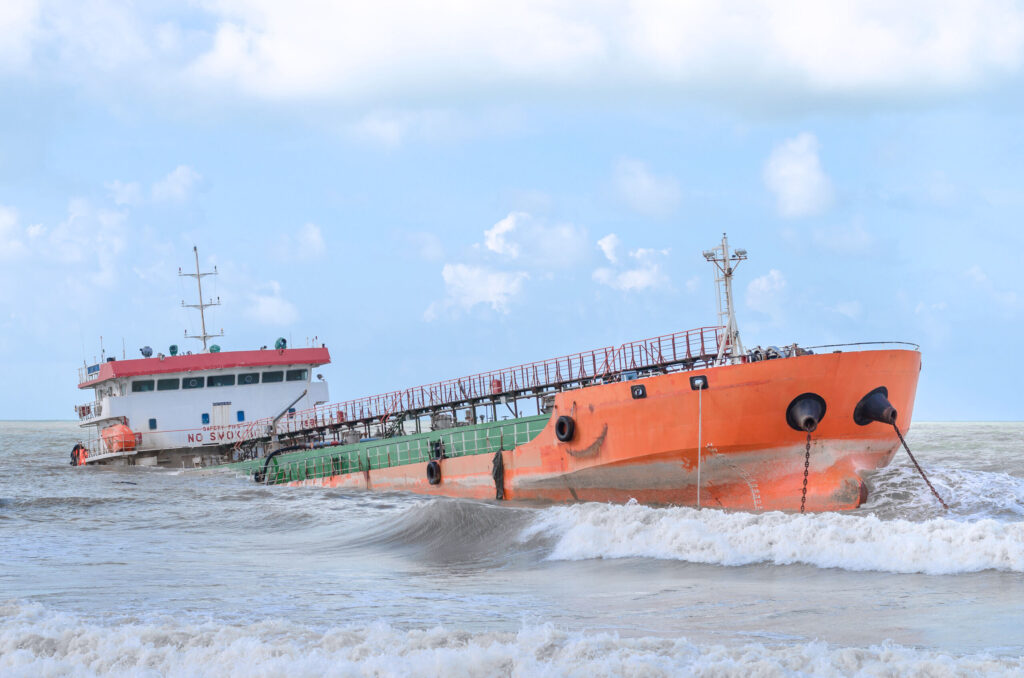
Claims handling is equally as diverse; a P&I specialist could be dealing with anything from a simple cargo claim to a substantial pollution incident or a high-profile collision. Each case presents unique challenges, from gathering evidence and coordinating with local authorities, to negotiating settlements and managing legal complexities across different jurisdictions. Every claim is distinct, from the nature of the incident to the stakeholders involved, ensuring that no two days are the same. This variety not only fosters professional growth but also offers the chance to develop specialised expertise in particular areas of maritime law or insurance.
Within support functions such as finance, actuarial, compliance, risk management or human resources, the global nature of a Club’s operations makes processes challenging but rewarding. P&I Clubs have offices in various countries, have Members all around the world, and are subject to multiple laws and regulations (sometimes conflicting with one another), which means that issues are complex but offer development and learning opportunities.
Overall, the constant problem-solving and the need for creative, out-of-the-box thinking makes P&I a rewarding and intellectually stimulating area to work in.
The information presented in this article is for informational purposes only. It should not be considered as legal, regulatory or financial advice, nor as an exhaustive description of the products or services mentioned.

Discover our dossier: ‘A dynamic and diverse sector: Non-Life Insurance & Reinsurance in Luxembourg’. It features expert analyses, key figures, concrete examples, as well as testimonials and podcasts to explore the professions, products, and the role of Luxembourg as a European hub.

8 minutes
Non-life insurance, Understanding Insurance

6 minutes
Non-life insurance, Understanding Insurance

10 minutes
Non-life insurance, Understanding Insurance
